Wondering what makes Chattanooga’s historic homes so memorable? It is not just one famous style or one postcard street. The city’s older homes tell a layered story shaped by streetcars, parks, river views, and changing design trends, and if you are thinking about buying one, understanding that story can help you make a smarter move. Let’s dive in.
Why Chattanooga’s Historic Homes Stand Out
Chattanooga’s historic housing story is defined by variety. Rather than one single look, you will find a sequence of neighborhoods with distinct settings, eras, and architectural details. That range is a big part of what gives the city’s older homes their lasting appeal.
The city’s preservation framework also adds an important layer for buyers. Chattanooga’s local historic system centers on four local historic districts, St. Elmo, Fort Wood, Ferger Place, and Battery Place, plus the Frank Lloyd Wright-designed Shavin House as a local landmark. In April 2026, the city adopted updated historic guidelines, which began being used in May 2026.
For you as a buyer or owner, that matters because historic zoning is not just about recognition. The city uses it to protect historical, architectural, and cultural significance by reviewing exterior design, arrangement, texture, and materials so changes remain compatible with district character.
Local Districts vs National Recognition
One of the most important things to understand is the difference between a local historic district and a National Register district. In Chattanooga, local historic districts involve design review and Certificates of Appropriateness, which can directly affect what visible exterior work you can do.
By contrast, National Register status is mainly a recognition tool. It offers only limited protection in certain federally funded situations. For a homeowner, local district status is the more practical ownership issue.
St. Elmo Architecture and Character
St. Elmo began in the 1880s as a streetcar-connected residential neighborhood at the base of Lookout Mountain. That origin still shapes the area’s feel today, with older homes tied closely to the street and outdoor living spaces.
By the early 1900s, the neighborhood featured Queen Anne, Gabled Ell, and Colonial Revival houses. In the 1910s and 1920s, more Craftsman/Bungalow and Tudor Revival homes were added, creating a mix that feels collected over time rather than uniform.
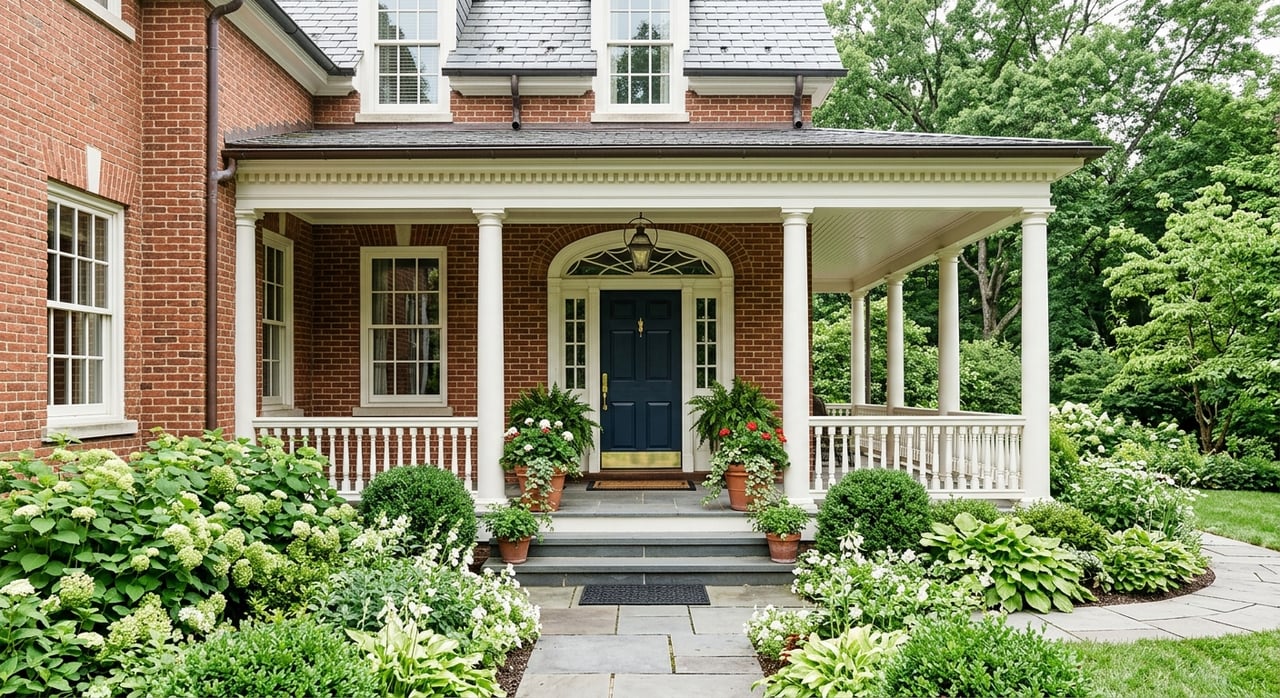
Common details in St. Elmo include broad porches, low-pitch roofs, exposed rafters, and strong porch detailing. If you are drawn to historic homes because you want real character, this is the kind of neighborhood where the porch is not just decoration. It is part of how the home lives day to day.
What Buyers Notice in St. Elmo
A practical detail many buyers notice is access. In St. Elmo, rear alleys often play an important role, and the district guidelines note that new driveways should usually be added at the back of the lot.
That can feel different if you are used to newer neighborhoods with front-facing garages and driveway-centered layouts. It is a reminder that in historic areas, site planning often follows older patterns that shape how you arrive, park, and move around the property.
Fort Wood Styles and Setting
Fort Wood developed on the east side of Chattanooga’s original core and became one of the city’s more prominent residential areas after the Oak Street streetcar line arrived in 1889. Its location and topography give it a distinct identity within the city’s historic housing landscape.
Homes in Fort Wood range from Queen Anne and Colonial Revival to Victorian Romanesque and Tudor Revival. You will often see narrow facades, porches or verandahs, projecting bays, steep roofs, and decorative shingles or masonry.
Fort Wood is also known for its hilly, tree-lined setting. In practical terms, that means the lot and landscape can matter just as much as the square footage inside the home.
Living With Fort Wood Features
Fort Wood’s alleys have historically served as pedestrian routes, serviceways, and locations for carriage houses or two-story garages. That can create a streetscape with a very different rhythm from newer areas.
Because of the terrain and established site features, owners may also find that drainage, retaining walls, exterior steps, and landscape upkeep are part of the ownership experience. Those features add character, but they can also call for careful maintenance over time.
Ferger Place and Early 20th-Century Comfort
Ferger Place was laid out in 1910 as a private restricted park with 69 residential buildings arranged in a horseshoe pattern. Its plan alone gives it a distinct identity within Chattanooga’s historic neighborhoods.
Craftsman/Bungalow is the most common style there, though you will also find Prairie, Colonial Revival, and Four Square homes. The neighborhood reflects an early-20th-century shift toward homes that felt more open, bright, and comfortable.
According to the district guidelines, many houses from this period emphasized large windows, porches, sunrooms, built-in cupboards, modern baths, and central heat. For buyers, that can mean a historic home with charm that also lines up more naturally with how many people like to live today.
Why Ferger Place Feels Different
Some older homes from the late Victorian era feel more formal and room-by-room in their layout. Ferger Place often reflects a later design mindset, with spaces that tend to feel more efficient and connected.
That does not mean every house will follow the same pattern. Still, if you want historic character without quite as much formality in layout, this neighborhood can be especially appealing.
Battery Place and Bluffside Presence
Battery Place is one of Chattanooga’s smaller historic districts, with about 20 residential properties on a bluff overlooking the Tennessee River. Its setting gives it an architectural presence that is hard to separate from the landscape around it.
The district includes Italianate, Queen Anne, Shingle, Tudor Revival, Colonial Revival, American Foursquare, and Craftsman/bungalow homes. That range adds visual interest, but the site itself is just as important to the district’s identity.
Battery Place is defined by river views, deep setbacks, open lawns, and high visibility from the street, bridge, and riverwalk. If you buy in a location like this, the relationship between the house, the yard, and the surrounding view is part of what you are really buying.
What Ownership Can Involve
In a bluff setting, exterior circulation and landscape features can be a larger part of daily life. Terraces, steps, retaining elements, and open lawns may all require attention.
For buyers, that means looking beyond finishes and floor plans. You also want to think carefully about the site and how much upkeep the outdoor setting may require.
The Shavin House and Modern Design
Not every important historic property in Chattanooga fits the same neighborhood pattern. The Shavin House stands apart as a notable local landmark and the only Frank Lloyd Wright-designed house in Tennessee.
It is an example of Wright’s Usonian work, known for a compact plan, strong indoor-outdoor connection, natural materials, and built-in furniture. Even if you are not shopping for a landmark property, the house shows that Chattanooga’s architectural story includes modern design as well as traditional historic styles.
What Historic Homes Are Like to Live In
One of the best ways to think about Chattanooga’s historic homes is to focus on how they function in daily life. In neighborhoods like St. Elmo and Fort Wood, porches, columns, balusters, and porch materials are treated as defining features, not extras.
That can shape how you use the home. In many older properties, outdoor transitional space plays a bigger role in everyday living than it does in newer construction.
Interior flow can vary by era as well. Some homes feel more formal, while others, especially early-20th-century houses and the Shavin House, reflect a move toward brighter spaces, larger windows, built-ins, and stronger indoor-outdoor connections.
What Buyers Should Know Before Renovating
If a property is inside a local historic district, exterior construction, alteration, removal, and demolition are reviewed through the Chattanooga Historic Zoning Commission by way of a Certificate of Appropriateness or related process. Before you plan visible exterior changes, confirm whether the home is in a local historic district.
That review process can affect projects such as:
- Windows and doors
- Roof changes
- Porch repairs or alterations
- Chimneys and masonry work
- Retaining walls
- Cornices and exterior trim
- Demolition or major exterior removal
The district manuals consistently favor preservation over wholesale replacement. In general, they emphasize repairing original materials when possible, keeping historic porches and details, and using compatible materials when replacement cannot be avoided.
A Smart Approach to Historic Ownership
Buying a historic home often means adjusting your expectations in a good way. These homes can be deeply livable and full of character, but they usually reward preventive maintenance and a patient mindset.
If you are considering one, it helps to approach the home as a preservation project first and a remodel second. That does not take away from the enjoyment of ownership. In many cases, it is exactly what protects the features that made you fall in love with the home in the first place.
Chattanooga’s historic homes are compelling because they offer more than age or charm alone. They connect architecture, setting, and daily living in a way that newer homes often do not. If you want help evaluating historic property opportunities in Chattanooga with a clear eye for both character and practical details, Tracy Kwapis would be glad to help you navigate your next move.
FAQs
What makes Chattanooga historic homes different from newer homes?
- Chattanooga historic homes often reflect earlier design eras, with features such as porches, detailed exterior materials, varied architectural styles, and site layouts shaped by streetcars, alleys, hills, or river views.
What are the main local historic districts in Chattanooga?
- Chattanooga’s local historic districts are St. Elmo, Fort Wood, Ferger Place, and Battery Place, and the city also recognizes the Shavin House as a local landmark.
What does local historic district status mean for Chattanooga homeowners?
- If your home is in a local historic district, visible exterior work such as certain alterations, removals, or demolition may require review by the Chattanooga Historic Zoning Commission through a Certificate of Appropriateness or related process.
What architectural styles are common in Chattanooga historic neighborhoods?
- Common styles across Chattanooga’s historic areas include Queen Anne, Colonial Revival, Craftsman/Bungalow, Tudor Revival, Victorian Romanesque, Prairie, Four Square, Italianate, and Shingle styles.
What should buyers look for in a Chattanooga historic home?
- Buyers should look at both the house and the site, including porch condition, windows, rooflines, masonry, chimneys, retaining walls, access from alleys, landscape features, and whether the property is in a local historic district.
Which Chattanooga historic neighborhood may fit different buyer preferences?
- St. Elmo may appeal to buyers who like porch-centered homes and a streetcar-era setting, Fort Wood offers a mix of styles in a hilly urban setting, Ferger Place often reflects early-20th-century comfort and openness, and Battery Place stands out for bluff views and prominent site features.