Thinking about a move to Chattanooga? You are not alone. For many buyers, Chattanooga stands out because it offers a real city feel, easy access to the outdoors, and a location that makes regional travel surprisingly convenient. If you are trying to picture day-to-day life here, this guide will help you understand the housing mix, neighborhoods, commute patterns, amenities, and overall pace of living. Let’s dive in.
Chattanooga at a Glance
Chattanooga is Tennessee’s fourth-largest city, with an estimated population of 194,144 in 2025. Hamilton County is larger still, with an estimated 390,833 residents, which helps explain why the area feels broader than a single downtown district.
The city sits near the Georgia border and at the junction of four interstate highways. In practical terms, that means Chattanooga functions as a regional hub, not just a small city tucked into the hills.
For many relocating buyers, Tennessee’s tax structure is also part of the appeal. Tennessee does not tax earned wages at the state level, which can matter when you are comparing Chattanooga to other Southern metros.
Chattanooga Feels Bigger Than You Expect
One of the first surprises for newcomers is how layered Chattanooga feels. You have a walkable downtown core, established residential areas, riverfront destinations, and quick access to mountain views and trail systems.
The city also benefits from strong regional access. Chattanooga is within about three hours of major cities including Atlanta, Nashville, Knoxville, Birmingham, and Huntsville, and Chattanooga Metropolitan Airport is about ten miles from downtown.
If you travel often, split time between markets, or want easier weekend mobility, that location can be a meaningful advantage. It gives Chattanooga a connected feel without the scale of a much larger metro.
Housing in Chattanooga
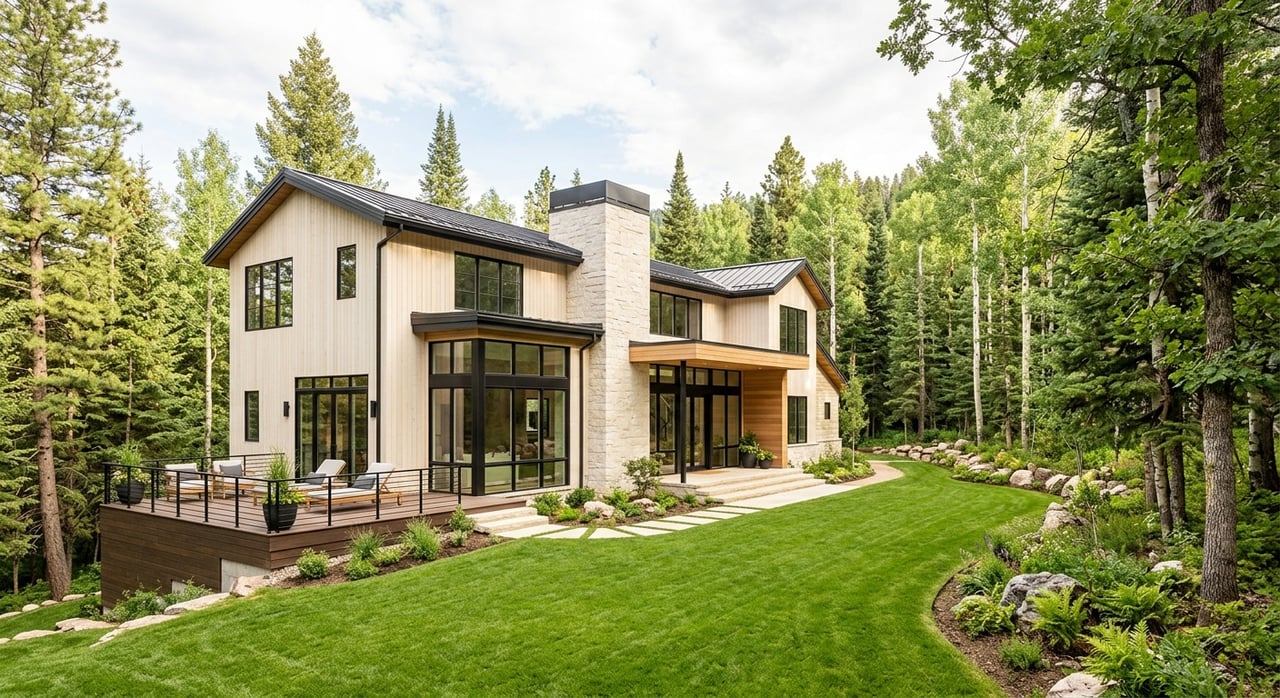
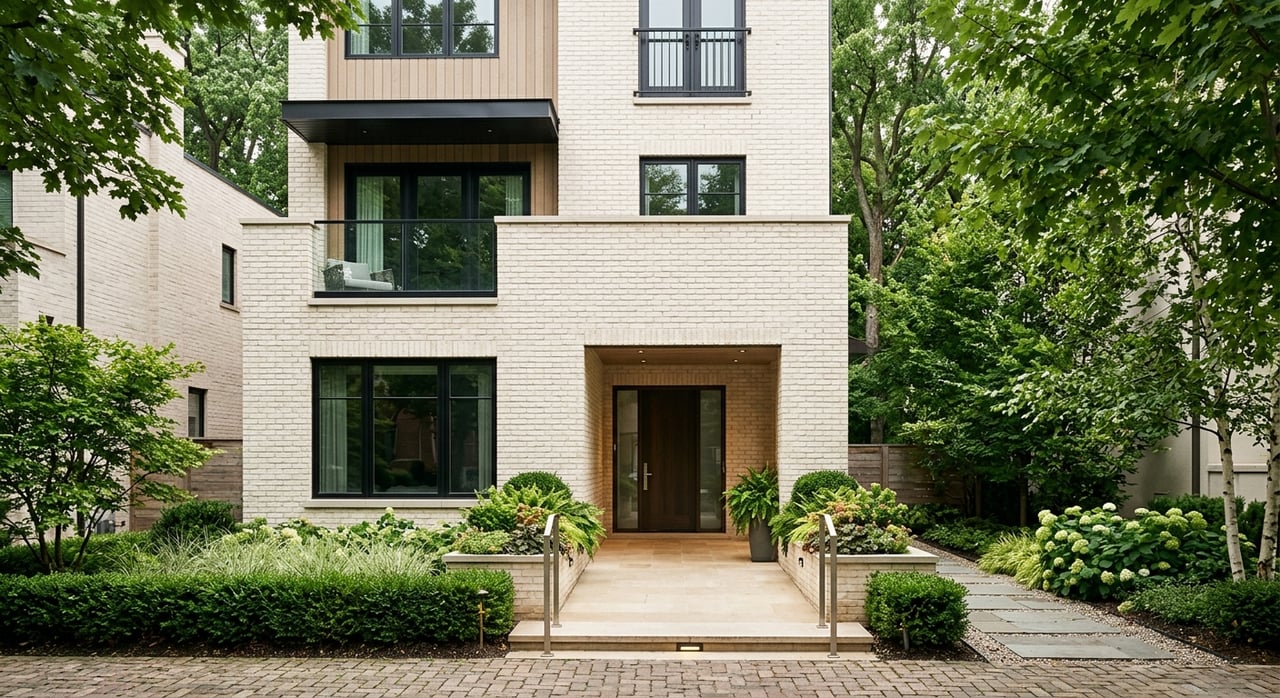
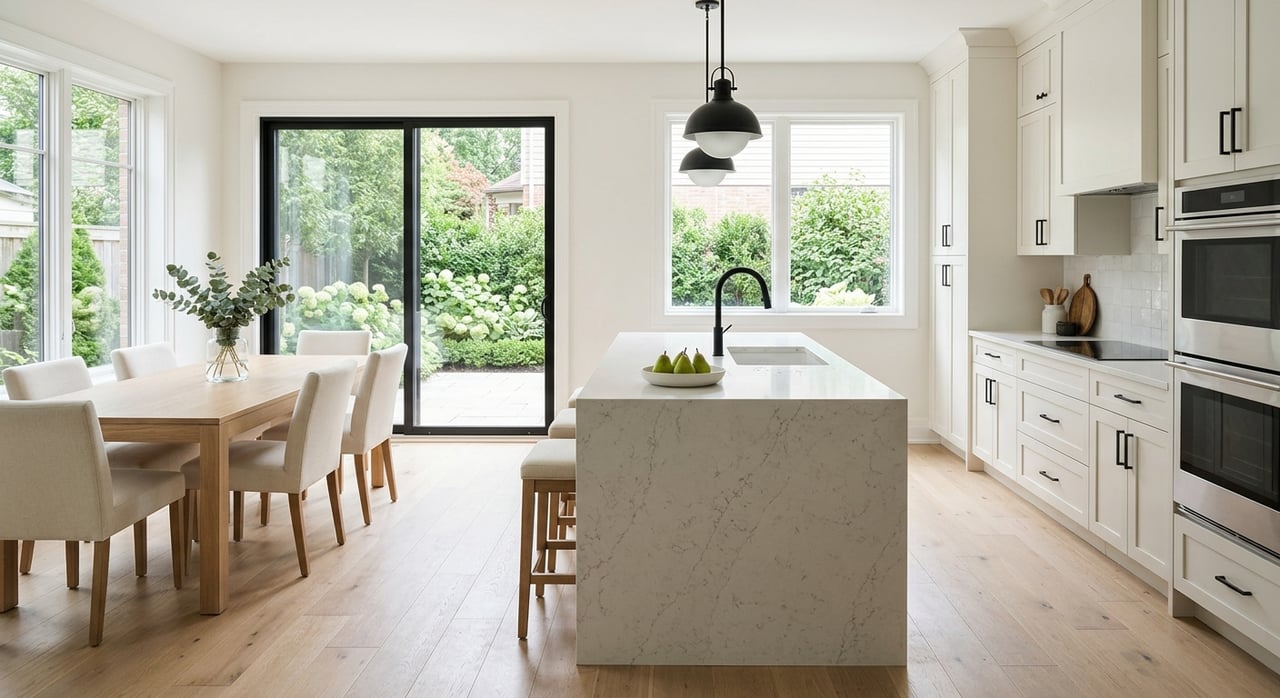
Chattanooga’s housing market offers a mix of urban, historic, and more suburban-feeling options depending on where you focus your search. In the city, 52.4% of housing units are owner-occupied, the median owner-occupied home value is $283,200, and median gross rent is $1,256.
Hamilton County trends more owner-occupied overall. Countywide, the owner-occupied rate is 63.9% and the median home value is $312,800, which suggests the broader county includes more suburban-style areas compared with the city core.
For you as a buyer, that means your experience can vary quite a bit by location. Some areas feel more urban and renter-heavy, while others offer a more traditional owner-occupied pattern and a different pace of living.
Older Homes and Historic Areas
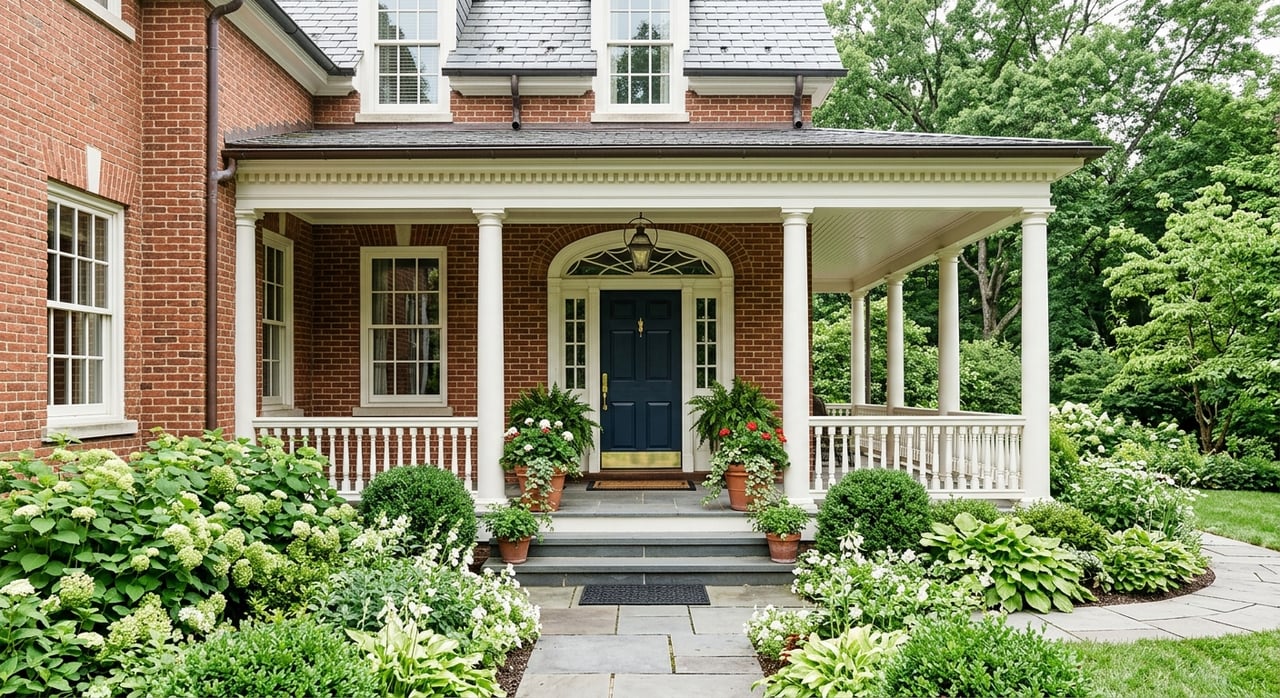
If you are drawn to character homes, Chattanooga has a notable stock of older properties. The city officially recognizes four local historic districts: St. Elmo, Fort Wood, Ferger Place, and Battery Place.
The city’s historic guidelines describe a range of architectural styles and eras, including Queen Anne, American Foursquare, Craftsman/Bungalow, Tudor Revival, and Ranch homes. That variety can be a real draw if you want details and design that differ from newer construction.
Historic areas can also come with preservation rules, so it is wise to understand what may apply to exterior changes before you buy. For some buyers, that structure is a benefit. For others, flexibility matters more.
Neighborhoods Shape the Experience
Living in Chattanooga is often about choosing the kind of daily experience you want. The city’s tourism bureau highlights 11 neighborhoods with distinct personalities, and the city’s Neighborhood Services department reports more than 100 registered neighborhood associations.
That tells you something important. Chattanooga is not one-note. Different parts of the city can feel more connected to downtown, more residential in character, or more tied to specific local gathering spots and amenities.
If you are relocating, this is where in-person guidance matters. Two homes with similar prices can offer very different day-to-day routines depending on access, setting, housing style, and proximity to the riverfront or downtown core.
Getting Around Chattanooga
Your daily routine in Chattanooga will depend a lot on where you live. The downtown-to-riverfront zone offers the most walkable and bike-friendly experience, while outlying areas tend to be more car-dependent.
CARTA operates the free Downtown Shuttle, which runs daily except major holidays and connects the Chattanooga Choo Choo and the Tennessee Aquarium with stops every block in between. CARTA also provides fixed routes, microtransit, paratransit, and downtown parking services.
That makes the city core more accessible than many people expect. If you want to park less, walk more, and stay connected to downtown destinations, this part of Chattanooga may be especially appealing.
Bike and Transit Options
Bike Chattanooga adds another layer to local mobility. Current system materials list 450 bikes, including 105 e-bikes, and stations are concentrated in the City Center and along the Tennessee Riverpark corridor.
This does not make all of Chattanooga bikeable in the same way, but it does support a more flexible lifestyle in central areas. If your ideal day includes biking to the riverfront, walking downtown, or using a shuttle for errands or outings, the urban core is where that experience is strongest.
Connectivity for Remote Work
Chattanooga also gets attention for infrastructure. The city highlights EPB, its municipal broadband network, as a key local asset.
If you work from home or simply want dependable connectivity, that can be an important part of quality of life. It is one more reason Chattanooga often appeals to buyers who want both scenery and modern convenience.
Outdoor Living Is a Major Draw
If outdoor access matters to you, Chattanooga makes a strong case. The city reports more than 35 miles of trails and green spaces, including the Tennessee Riverpark, Stringer’s Ridge, and the South and North Chickamauga greenways.
The Tennessee Riverpark alone is a 13-mile paved urban greenway, which gives residents an easy way to walk, bike, or spend time outdoors without leaving the city. Stringer’s Ridge adds a different experience, with 92 acres of urban wilderness and 7 miles of trails.
For many people, this is a big part of what living in Chattanooga feels like. Nature is not a special-occasion outing here. It is woven into regular life.
Lookout Mountain and Scenic Access
Lookout Mountain is one of Chattanooga’s signature landmarks. Major attractions there include Rock City, Ruby Falls, the Incline Railway, and Chickamauga & Chattanooga National Military Park, which is about 9 miles south of Chattanooga.
That setting gives the city a dramatic backdrop and adds to the range of weekend and after-work options. Even if you are not a serious hiker, the proximity to scenic places changes the feel of everyday living.
Riverfront and Natural Setting
Moccasin Bend adds another dimension to the landscape. Located directly across the river from downtown, it is known for nationally significant archaeological sites that reflect roughly 12,000 years of Indigenous occupation.
Taken together, the river, mountain views, and greenways create a setting that feels unusually rich for a mid-sized city. If you want a place where the outdoors are always close by, Chattanooga delivers.
Culture, Arts, and Weekend Plans
Chattanooga is not only about scenery. The downtown and riverfront areas anchor many of the city’s cultural destinations, which helps make them part of normal life rather than occasional outings.
The Tennessee Aquarium sits on the riverfront in two buildings and traces water from the mountains to the sea. Nearby, the Creative Discovery Museum offers hands-on experiences for children and families.
The Hunter Museum of American Art overlooks the Tennessee River from an 80-foot bluff and includes nearly 3,000 works. The Tivoli Theatre, listed on the National Register of Historic Places, is home to the Chattanooga Symphony and Opera.
Local Identity and Gathering Places
The Bessie Smith Cultural Center highlights the African Diaspora and Chattanooga’s African American heritage. The Chattanooga Market identifies itself as the region’s largest producer-only marketplace and serves as a regular gathering place for local producers and visitors.
The city’s Office of Arts, Culture and Creative Economy also supports public art and programming across neighborhoods. That gives Chattanooga a local cultural rhythm that goes beyond major attractions.
What Daily Life Often Feels Like
For many buyers, Chattanooga hits a sweet spot. It is large enough to offer distinct neighborhoods, cultural amenities, and regional convenience, but still small enough that many places feel accessible.
Your experience here can range from a more urban, walk-near-the-river lifestyle to a quieter setting in the broader county. The biggest difference is often not just price, but how you want to live each day.
If you are comparing Chattanooga with larger Southern cities, you may find that it offers a more manageable pace while still giving you strong amenities, outdoor access, and a connected location. That balance is a big reason the area continues to draw attention.
Is Chattanooga Right for You?
Chattanooga may be a good fit if you want a mid-sized city with real neighborhood variety, meaningful outdoor access, and a downtown core that is more active and connected than many buyers expect. It can also make sense if you need regional mobility and value being near multiple major Southern metros.
The right fit depends on your priorities. Some buyers want walkability and riverfront access. Others want more space, a different housing style, or a location that feels more removed from the core.
That is where a thoughtful home search matters. If you are considering a move to Chattanooga, working through your goals early can help you narrow in on the areas and housing types that fit you best.
If you are exploring Chattanooga and want honest guidance on neighborhoods, home options, or how this market compares with other Tennessee and Georgia locations, Tracy Kwapis is here to help you move forward with clarity and confidence.
FAQs
What is Chattanooga, Tennessee like for everyday living?
- Chattanooga offers a mix of city convenience, neighborhood variety, and strong access to outdoor recreation, with downtown, riverfront, and mountain amenities shaping daily life.
What is the housing market like in Chattanooga, Tennessee?
- Chattanooga has a mixed housing profile with a 52.4% owner-occupied rate in the city, a median owner-occupied home value of $283,200, and a median gross rent of $1,256.
Are there historic neighborhoods in Chattanooga, Tennessee?
- Yes. Chattanooga officially recognizes four local historic districts: St. Elmo, Fort Wood, Ferger Place, and Battery Place.
Is downtown Chattanooga, Tennessee easy to get around?
- Downtown Chattanooga is the most transit-friendly part of the city, with CARTA’s free Downtown Shuttle, walkable areas, and bike-share access concentrated in the core.
What outdoor activities are available in Chattanooga, Tennessee?
- Chattanooga offers more than 35 miles of trails and green spaces, including the Tennessee Riverpark, Stringer’s Ridge, and the South and North Chickamauga greenways.
Is Chattanooga, Tennessee good for people who work from home?
- Chattanooga may appeal to remote workers because the city highlights EPB municipal broadband as a notable local infrastructure asset.